Differential pressure transmitters
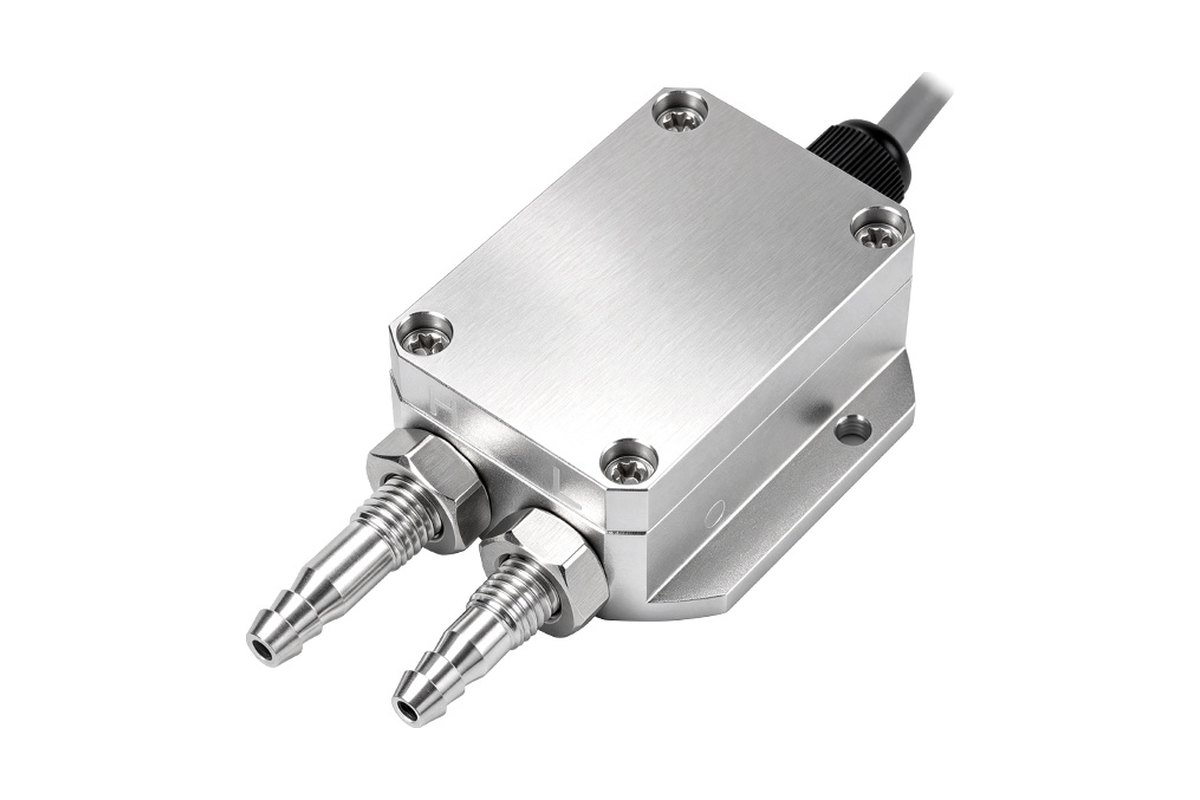
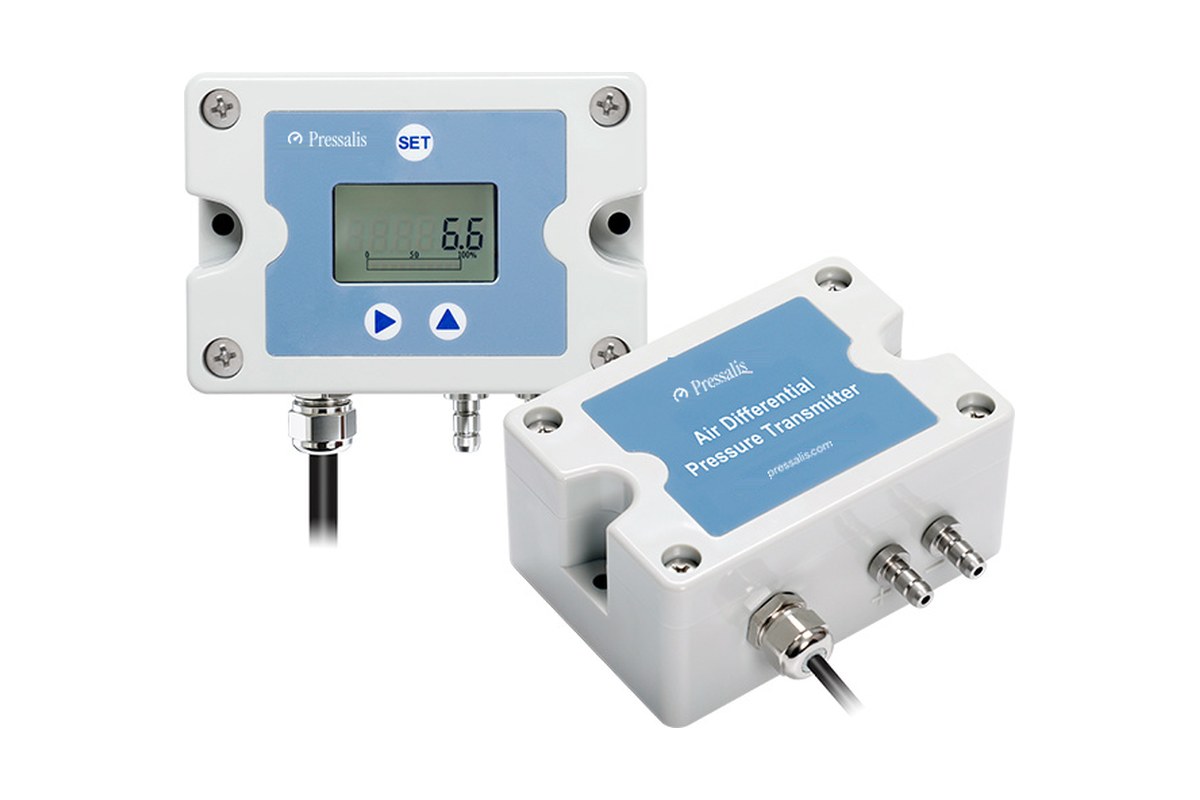
They measure the difference between two points: across a filter, between a room and a corridor, across a pump or over a flow element.
Compare differential pressure transmitters
What we quote to
Every one of these changes the instrument. Send what you know; we ask about the rest.
Tell us
- Medium
- Air and gases, or liquids. Air and liquid instruments are different builds.
- Differential range
- The largest difference to measure between the two ports.
- Static pressure
- The line pressure both ports sit at. A liquid circuit can be far above the differential itself.
- Connection
- Hose barbs for air, threaded ports, or a valve manifold for liquid lines.
- Output
- Two-wire current loop, voltage, or Modbus RTU, with or without a local display.
- Documents
- Datasheet, calibration certificate, as the project requires.
Choosing between options
- Static pressure rating
- On a liquid circuit the instrument must withstand the full line pressure on one side if the other is vented or blocked. Quote the static pressure, not only the differential.
- Valve manifold
- On liquid lines a valve manifold lets the transmitter be isolated, equalised and vented without draining the circuit.
Typical points
- Filter and strainer condition
- Duct, room and cleanroom pressure
- Pump differential pressure
- Flow across an orifice plate or flow element
Used in
Quote differential pressure transmitters to your point
Send the medium, the pressure, the connection and the signal. We reply with the model, its order code and the quote.