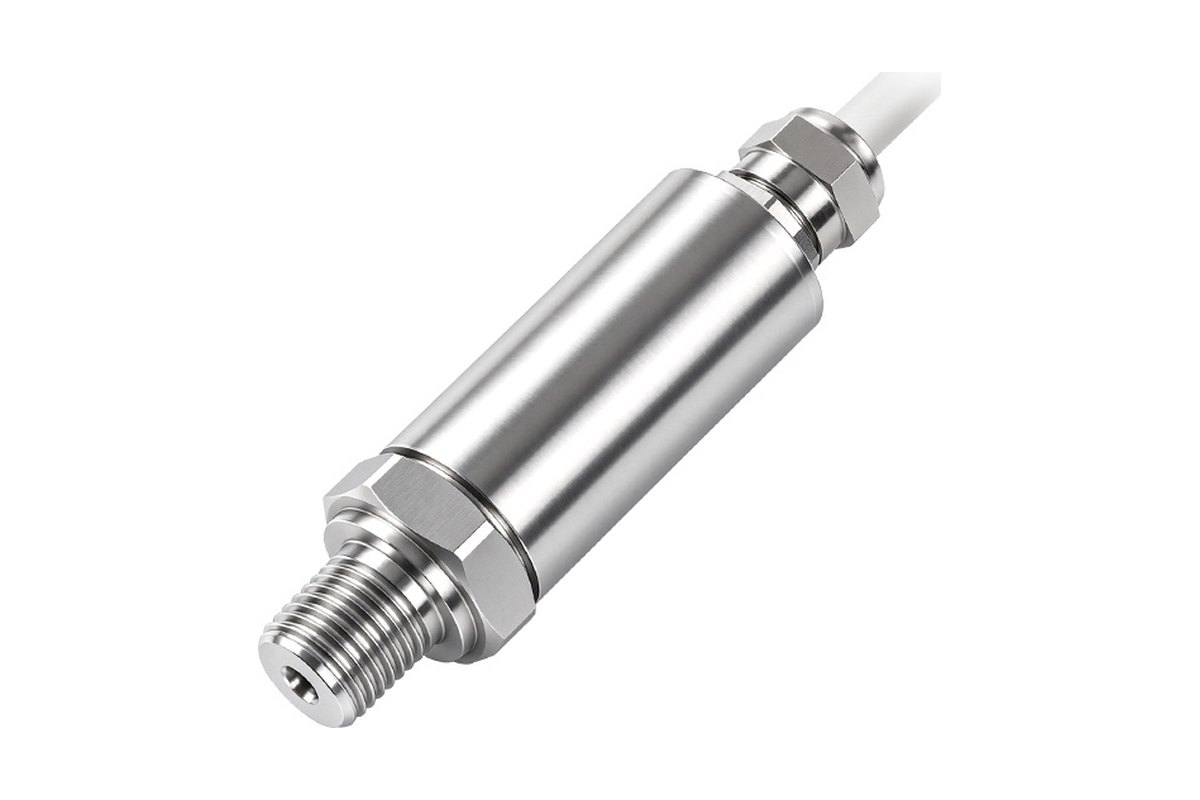
Low-power I2C pressure sensor
Pressure sensor with I2C output for direct connection to a microcontroller, 3 to 5 V DC, 0 to 0.4 bar up to 0 to 70 bar.
- Range
- 0 to 0.4 bar up to 0 to 70 bar
- Output
- I2C digital
- Supply
- 3 to 5 V DC, 2.7 mA
- Accuracy
- ±0.3 % or ±0.5 % of span
- Built to the order code you configure
- Datasheet and dimension drawing with the quote
- Other ranges and connections quoted on request
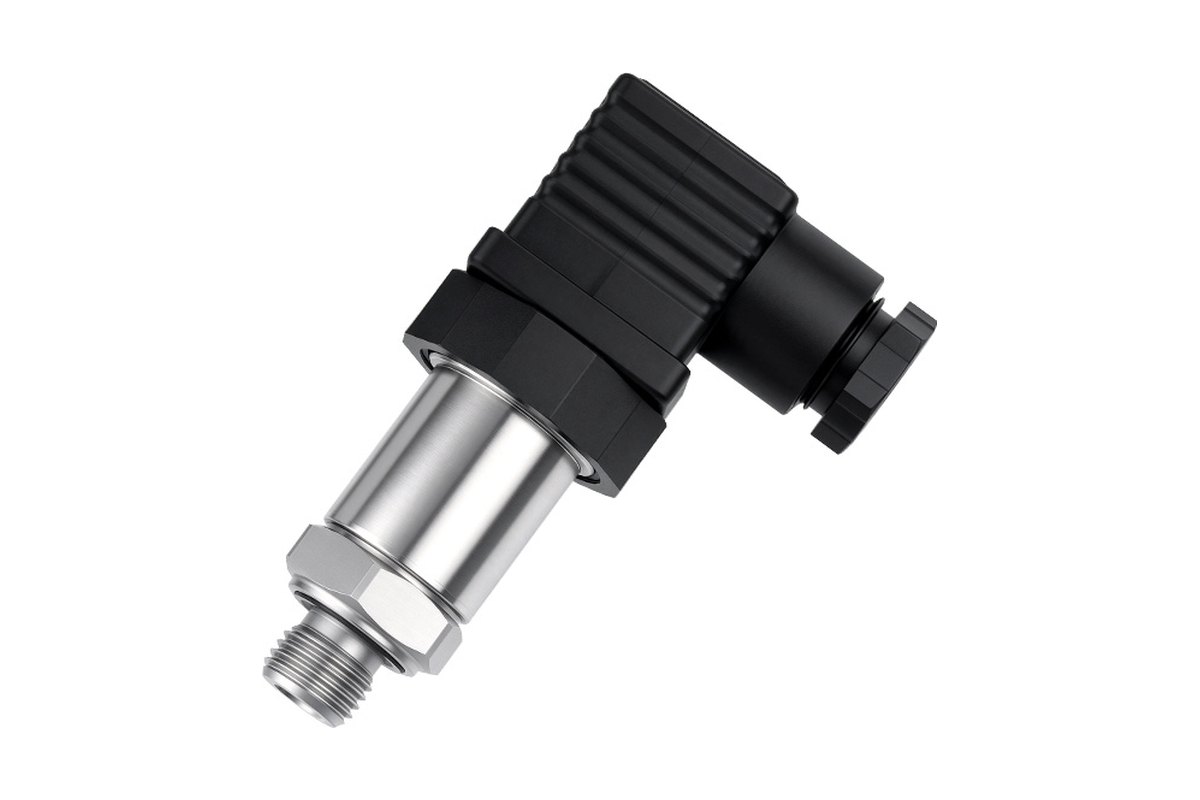
PT44 is a low-power pressure sensor with an I2C output, for machine builders and integrators who read pressure straight into a microcontroller on their own board. It runs from 3 to 5 V DC, draws 2.7 mA, and returns the reading as a count in which the pressure span maps to 10 to 90 % of full count, 0x0666 to 0x399A.
It suits battery loggers, compact controllers on hydraulic and pneumatic equipment, and in-house telemetry units for water and heating. Ranges run from 0 to 0.4 bar up to 0 to 70 bar, gauge or absolute, with ±0.3 % or ±0.5 % of span accuracy and a 2 kHz frequency response.
The operating range is -40 to 125 °C, wider than the RS485 and voltage-output low-power models, with digital compensation from -10 to 70 °C. Overpressure is 2 x range. The 22 mm stainless steel body takes a cable outlet, a watertight IP68 cable outlet or a DIN 43650 form C connector.
Typical points
- Pump discharge and suction pressure
- Hydraulic system pressure on machines
- Compressed air headers
- Chilled and heating water circuits
Measurement
| Pressure type | Gauge, absolute |
|---|---|
| Ranges | 0 to 0.4 bar up to 0 to 70 bar |
| Accuracy | ±0.3 % or ±0.5 % of span |
| Long-term stability | ±0.2 % of span per year |
| Frequency response | 2 kHz |
| Overpressure | 2 x range |
| Burst pressure | 3 x range |
Medium and environment
| Compensated temperature | -10 to 70 °C |
|---|---|
| Operating temperature | -40 to 125 °C |
| Housing and thread | 304 stainless steel |
Electrical
| Output | I2C digital |
|---|---|
| Output scaling | Full count 0x3FFF; span mapped to 10 to 90 %, 0x0666 to 0x399A |
| I2C clock | 10 to 100 kHz |
| Supply | 3 to 5 V DC |
| Current consumption | 2.7 mA |
| Electrical connection | Cable outlet, watertight cable outlet, DIN 43650 form C connector |
| Protection | IP65; IP68 with the watertight cable outlet |
Mechanical
| Process connection | M20 x 1.5, G1/4, 1/4 NPT; other threads on request |
|---|---|
| Body | 22 mm diameter, 22 mm hex |
Common configurations. Any combination from the ordering code can be quoted.
| Range | Pressure type | Process connection | Electrical connection | Accuracy | Order code |
|---|---|---|---|---|---|
| 0 to 10 bar | Gauge | G1/4 male | Cable outlet | ±0.5 % | PT44-010-G-B2-C-A05 |
| 0 to 1 bar | Absolute | G1/4 male | Cable outlet | ±0.3 % | PT44-001-A-B2-C-A03 |
| 0 to 16 bar | Gauge | 1/4 NPT male | Watertight cable outlet | ±0.5 % | PT44-016-G-N2-CW-A05 |
| 0 to 40 kPa | Gauge | M20 x 1.5 male | DIN 43650 form C | ±0.5 % | PT44-K40-G-M20-DC-A05 |
| 0 to 70 bar | Gauge | G1/4 male | Cable outlet | ±0.3 % | PT44-070-G-B2-C-A03 |
One code from each group, in this order. Example: PT44-K40-G-M20-C-A03.
Range
| K40 | 0 to 40 kPa |
|---|---|
| 001 | 0 to 1 bar |
| 006 | 0 to 6 bar |
| 010 | 0 to 10 bar |
| 016 | 0 to 16 bar |
| 025 | 0 to 25 bar |
| 040 | 0 to 40 bar |
| 070 | 0 to 70 bar |
| X | Other range, state in the request |
Pressure type
| G | Gauge |
|---|---|
| A | Absolute |
Process connection
| M20 | M20 x 1.5 male |
|---|---|
| B2 | G1/4 male |
| N2 | 1/4 NPT male |
Electrical connection
| C | Cable outlet, IP65 |
|---|---|
| CW | Watertight cable outlet, IP68 |
| DC | DIN 43650 form C connector, IP65 |
Accuracy
| A03 | ±0.3 % of span |
|---|---|
| A05 | ±0.5 % of span |
- DatasheetPDF
- Dimension drawingSent with the quote
Questions about PT44
Something else? Ask us about this model
How is the reading scaled?
Full count is 0x3FFF. Zero of the range reads 0x0666 and the top of the range reads 0x399A, which is 10 % and 90 % of full count.
Which bus speed does it support?
The I2C clock runs from 10 to 100 kHz. Supply is 3 to 5 V DC and current draw is 2.7 mA.
Can it run in a hot enclosure?
It operates from -40 to 125 °C. Temperature effects are compensated from -10 to 70 °C, so accuracy is stated for that band.
Other pressure transmitters
See all 31-
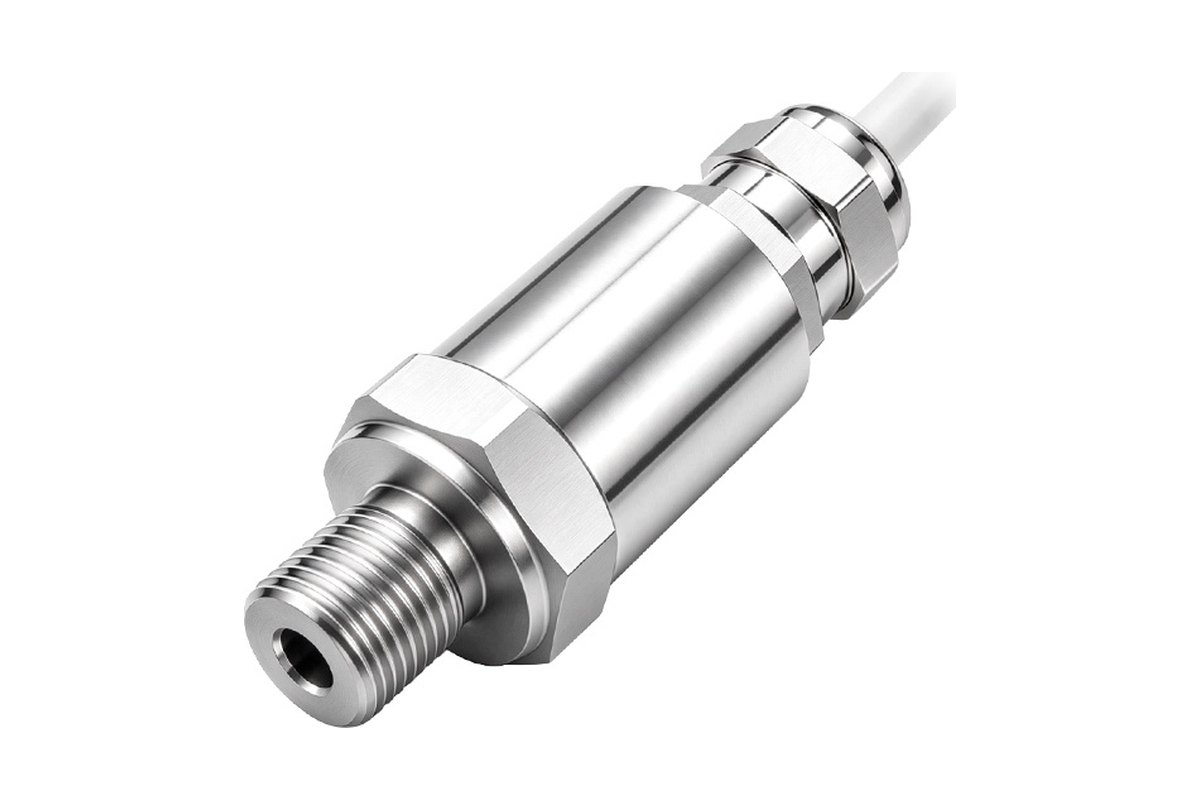 PT10
Millivolt pressure sensor, glass-fused cell
0 to 6 up to 0 to 600 bar · 10 to 15 mV/V, four-wire -
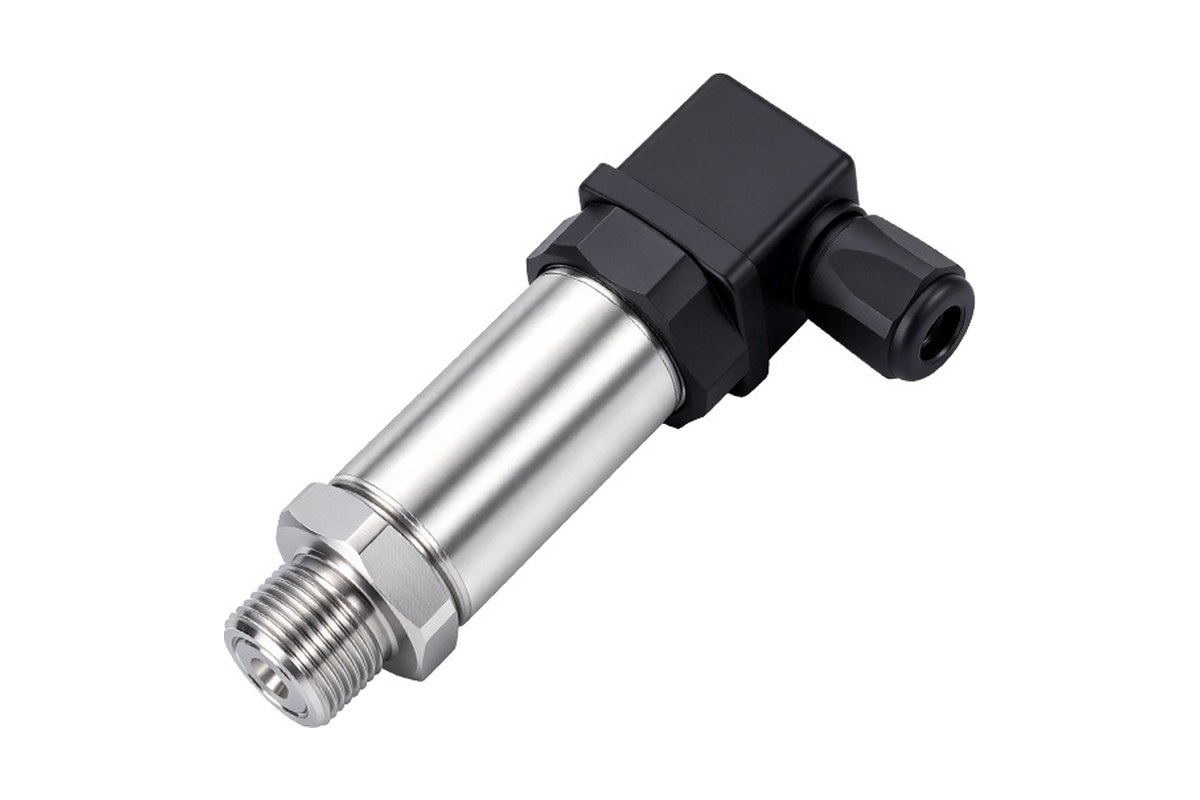 PT11
Wide-range welded stainless transmitter
0 to 0.2 up to 0 to 600 bar · 4 to 20 mA or voltage -
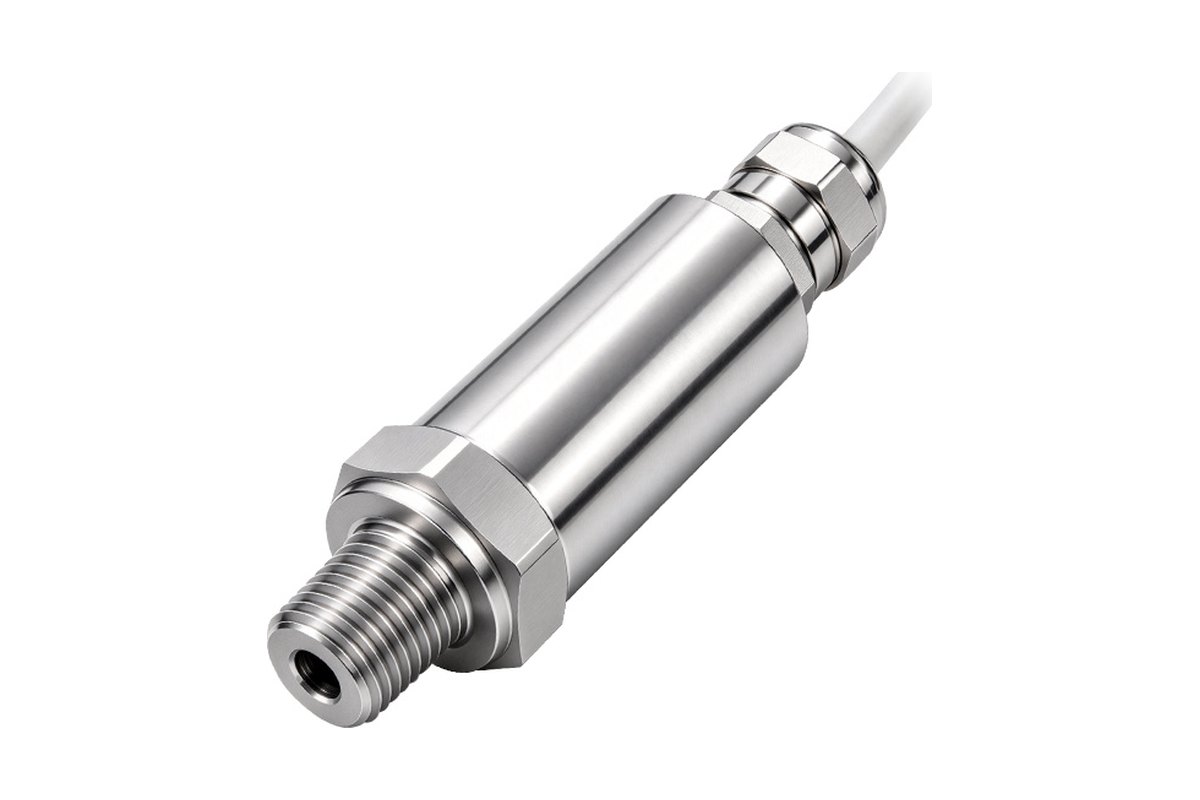 PT12
Glass-fused pressure transmitter, 0.3 % grade
0 to 6 up to 0 to 600 bar · 4 to 20 mA or voltage -
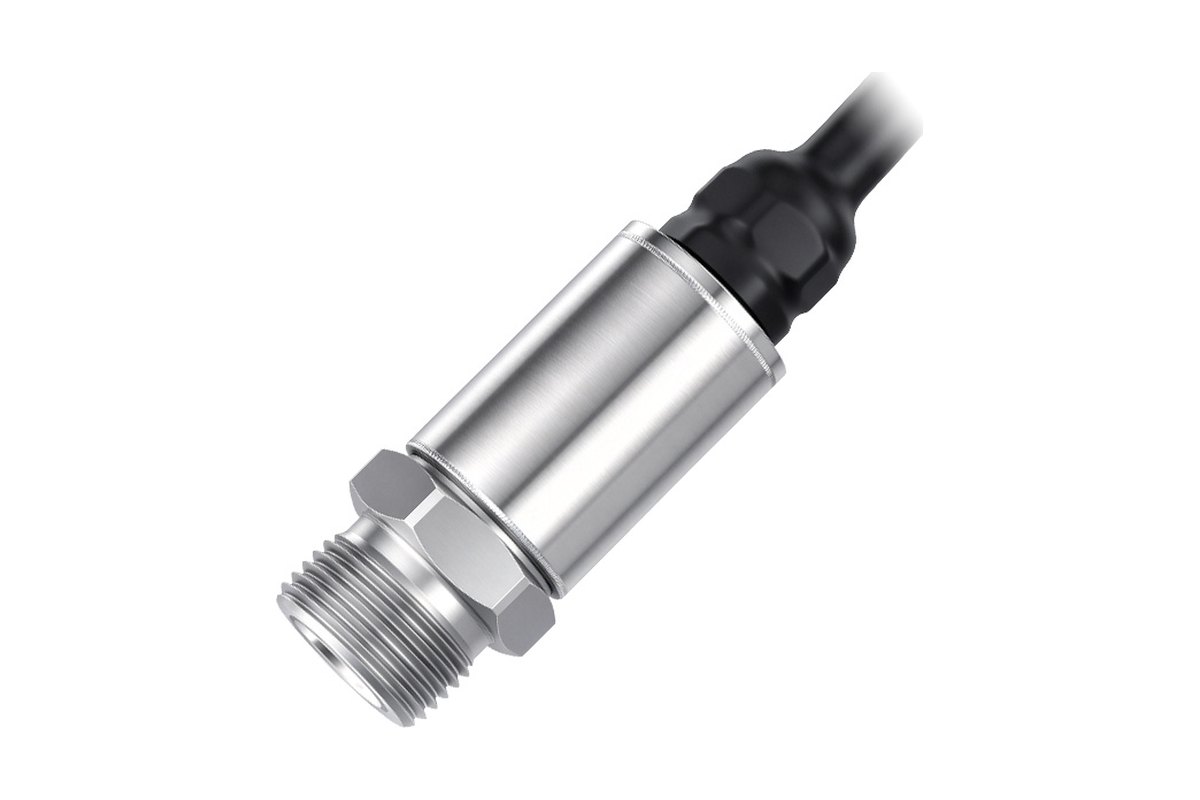 PT13
Glass-fused transmitter, 0.5 % grade
0 to 6 up to 0 to 600 bar · Gauge, sealed gauge, absolute -
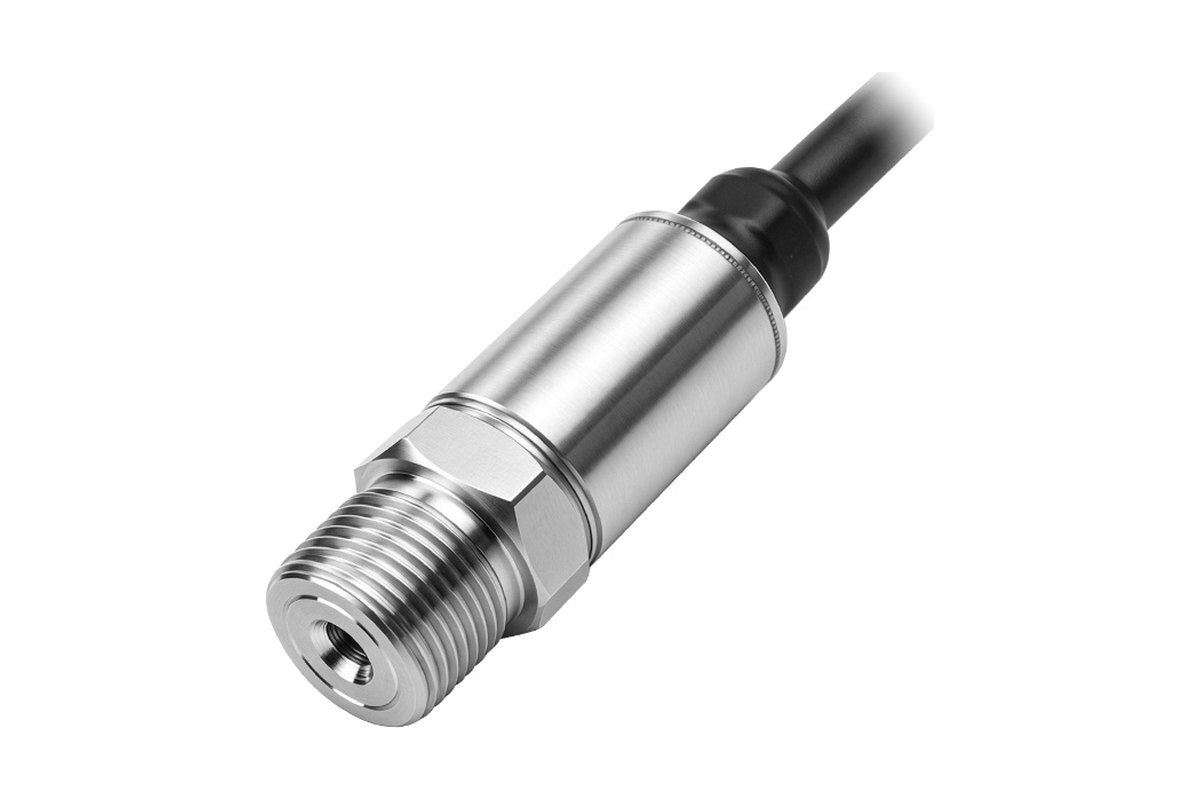 PT14
Low-range millivolt pressure sensor
0 to 0.4 up to 0 to 70 bar · 10 mV/V, four-wire -
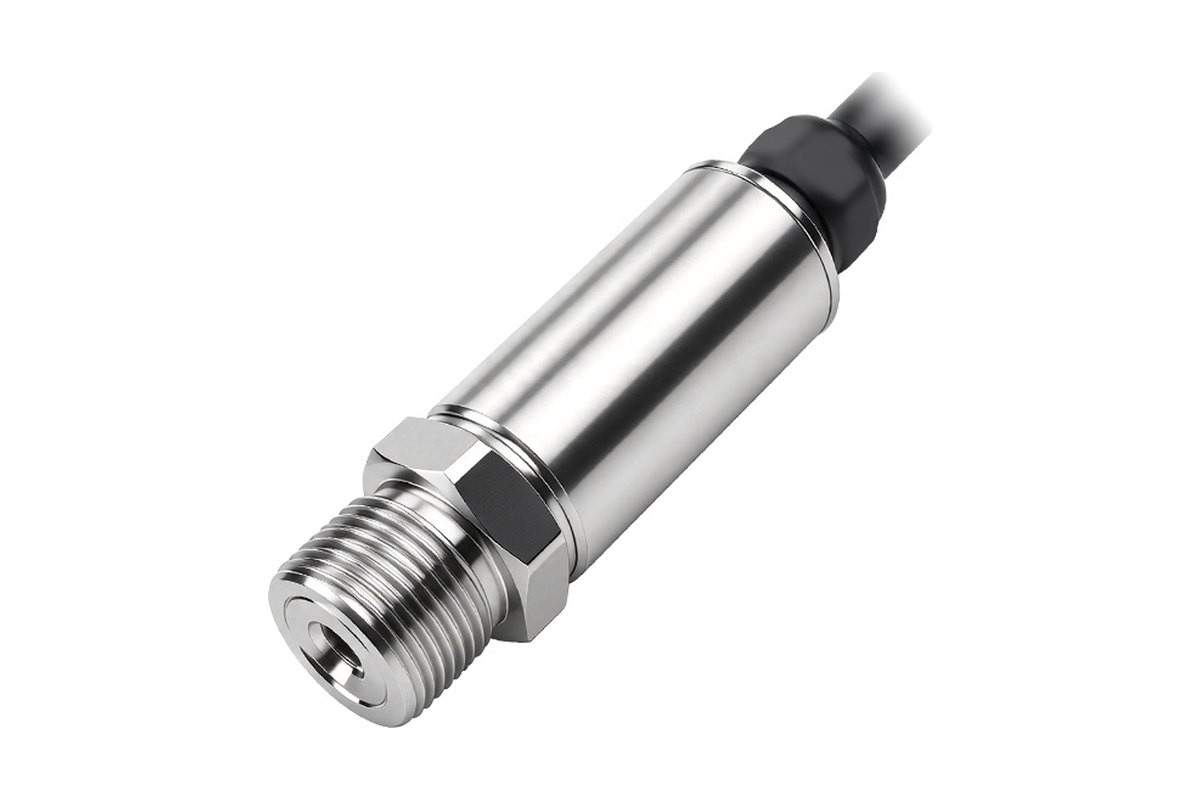 PT15
Low-pressure transmitter, vacuum to 6 bar
-1 bar up to 6 bar · 4 to 20 mA or voltage -
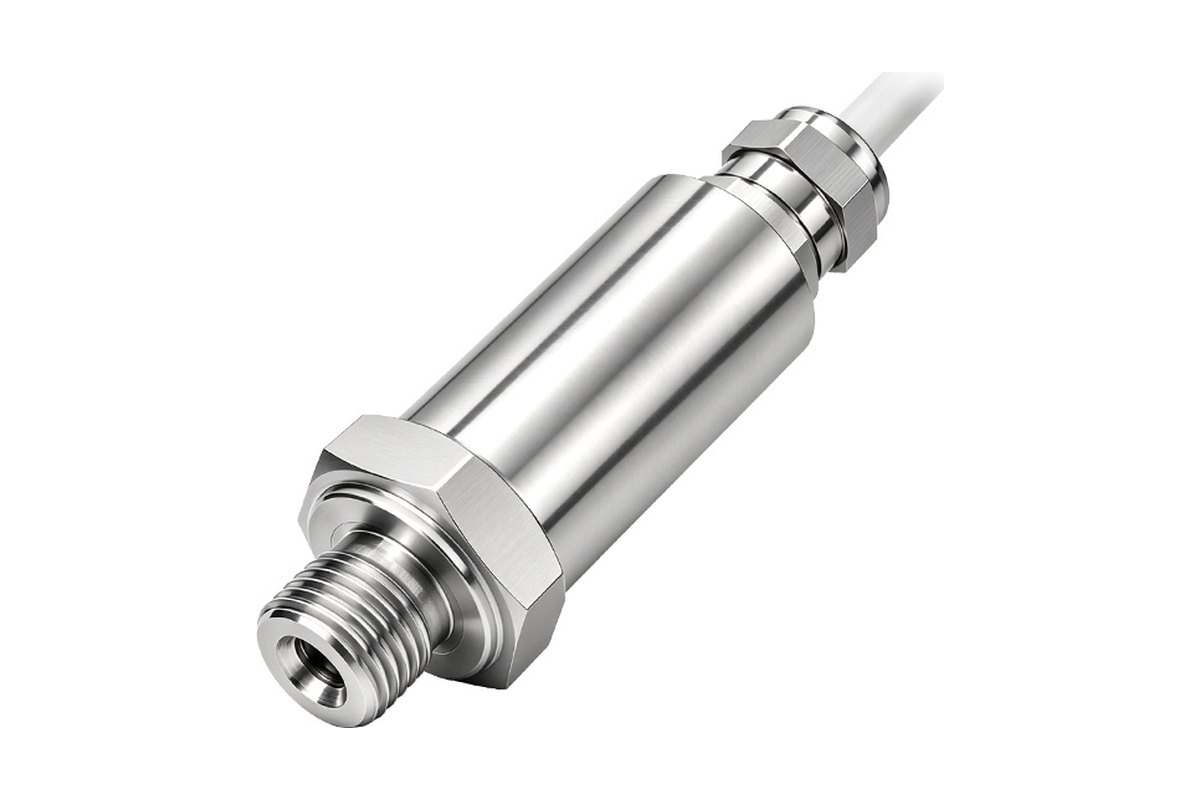 PT16
Precision transmitter, ±0.1 % of span
0 to 0.4 up to 0 to 600 bar · 4 to 20 mA or voltage -
 PT17
Ceramic flat-diaphragm pressure transmitter
0 to 2 up to 0 to 25 bar · 4 to 20 mA, voltage or RS485